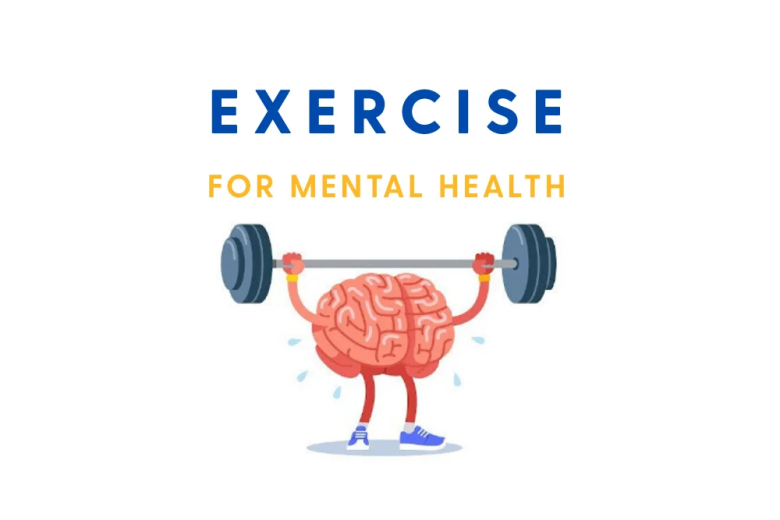
How Regular Physical Activity Supports Both Mental Clarity and Emotional Balance
Physical movement influences more than muscles and joints. The connection between body and mind means that regular activity may also contribute to cognitive function and emotional well-being.
Movement and Mood Regulation
During physical activity, the body releases natural chemical messengers that influence mood and perception. Moderate activity is often associated with improved sense of well-being and reduced feelings of tension.
While movement is not a substitute for professional mental health care, it can serve as a supportive lifestyle practice.
Cognitive Engagement
Movement increases blood flow to the brain, which supports oxygen and nutrient delivery. Some research suggests that regular activity may contribute to focus, alertness, and mental clarity.
Activities that combine coordination and rhythm—such as dancing, yoga, or cycling—may further engage cognitive processes.
Stress Management
Chronic stress can affect both physical and mental balance. Incorporating regular physical activity may help regulate stress responses and support relaxation after periods of mental strain.
Even gentle activities such as walking outdoors can provide both physical engagement and psychological refreshment.
The Importance of Enjoyment
Sustainability improves when movement is enjoyable. Activities aligned with personal preferences—whether hiking, swimming, stretching, or group classes—are more likely to become long-term habits.
Enjoyment encourages consistency, and consistency supports long-term wellness.
A Balanced Approach
Daily movement contributes to whole-body wellness when approached realistically. It supports circulation, mobility, mental clarity, and emotional balance without requiring extreme measures.
As with all lifestyle practices, movement complements overall health strategies but does not replace professional medical advice. Individuals with specific health concerns should consult qualified healthcare providers before beginning new activity routines.
By integrating manageable movement into daily life, individuals can build a stable foundation for long-term physical and mental well-being.